R&D Tax Credits for SaaS Companies
We help SaaS companies identify, document, and defend R&D tax credits while minimizing disruption to engineering teams.
What Sets Us Apart
- California CPA License
- 8+ Years Specialized Experience
- Flat Fee Pricing Model
- Federal & State Credit Expertise
Do SaaS Companies Qualify for the R&D Tax Credit?
Yes In fact, software development companies are among the most common users of the federal R&D tax credit.
Many founders mistakenly assume the credit only applies to pharmaceutical research or laboratory environments.
The reality is that modern software development frequently involves:
- Technical uncertainty
- Experimentation
- Performance optimization
- Architecture decisions
- Infrastructure challenges
- Scalability improvements
These activities often meet the requirements of Internal Revenue Code Section 41.
Why SaaS Companies Qualify
The IRS evaluates software activities using the same principles applied to engineering and scientific research.
The key question is:
Was the company attempting to solve technical uncertainty through a process of experimentation?
For many SaaS companies, the answer is yes.
Examples of Technical Uncertainty
- How should the system architecture scale?
- Which database design performs best?
- How should APIs be structured?
- How can latency be reduced?
- Which machine learning approach provides better outcomes?
- How should data pipelines be optimized?
- How should security requirements be implemented?
Common Qualifying Activities
New Feature Development
Building new product functionality often involves experimentation and uncertainty.
Examples: (Workflow automation, Reporting systems, Collaboration features, User permission systems, Integrations)
Architecture Improvements
Examples: (Microservice migration, Database redesign, Performance optimization, Infrastructure modernization)
Scalability Initiatives
Examples: (Load balancing, Distributed systems, Query optimization, Caching strategies)
Security Enhancements
Examples: (Authentication systems, Encryption methods, Access controls, Compliance architecture)
Artificial Intelligence Features
Examples: Recommendation engines, Predictive models, Classification systems, Natural language processing)
Activities That Usually Do Not Qualify
Not every software activity qualifies.
Examples that are often excluded include:
- Cosmetic UI updates
- Routine maintenance
- Bug fixes without technical uncertainty
- Customer support activities
- Data entry work
- Marketing automation implementation
The distinction typically comes down to whether genuine technical uncertainty existed.
Typical Credit Range for SaaS Companies
The exact value varies depending on team size and development intensity.
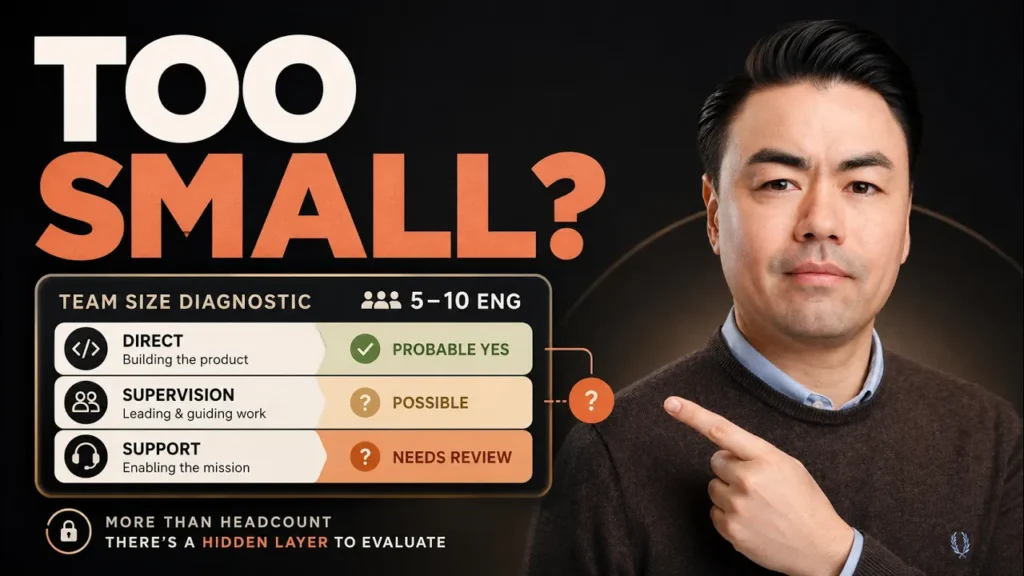
Engineering Team Size | Typical Credit Range |
5–10 Engineers | $50,000–$100,000 |
10–25 Engineers | $100,000–$250,000 |
25–50 Engineers | $250,000–$500,000+ |
Actual credits depend on qualified activities and eligible expenses.
Section 174 and SaaS Companies
Many software companies are now dealing with two separate but related tax issues:
Most growing SaaS businesses are affected by both.
Common Mistakes SaaS
Companies Make
Drag to browse
01 / 05
Assuming Their CPA Handles It
Many general accounting firms do not specialize in software R&D credits.
02 / 05
Waiting Until Tax Season
Capturing documentation throughout the year simplifies the process significantly.
03 / 05
Underestimating Qualified Activities
Many companies only include obvious projects and overlook architecture improvements or infrastructure work.
04 / 05
Focusing Only on Federal Credits
State credits often create additional opportunities.
05 / 05
Ignoring Section 174 Requirements
Many startups were caught off guard by the capitalization changes.
Why SaaS Companies Choose Us
We Understand Engineering Teams
We understand:
- Sprint cycles
- Product roadmaps
- Technical debt
- Release schedules
- Architecture decisions
- Scaling challenges
Flat Fee Pricing
Most providers charge 20-30% of the credit.
We charge a predictable flat fee.
As your credit grows, our fee does not.
Documentation Built for Defensibility
Our goal is not simply maximizing credits.
Our goal is creating supportable and defensible claims.
Defensibility First
We maintain regular communication with founders and technical leaders throughout the engagement.
FAQ
Does internal software development qualify?
Often yes.
Internal-use software rules are more complex but opportunities frequently exist.
Does bug fixing qualify?
Routine bug fixes usually do not.
Bug fixes involving significant technical uncertainty may qualify.
Do startups qualify before profitability?
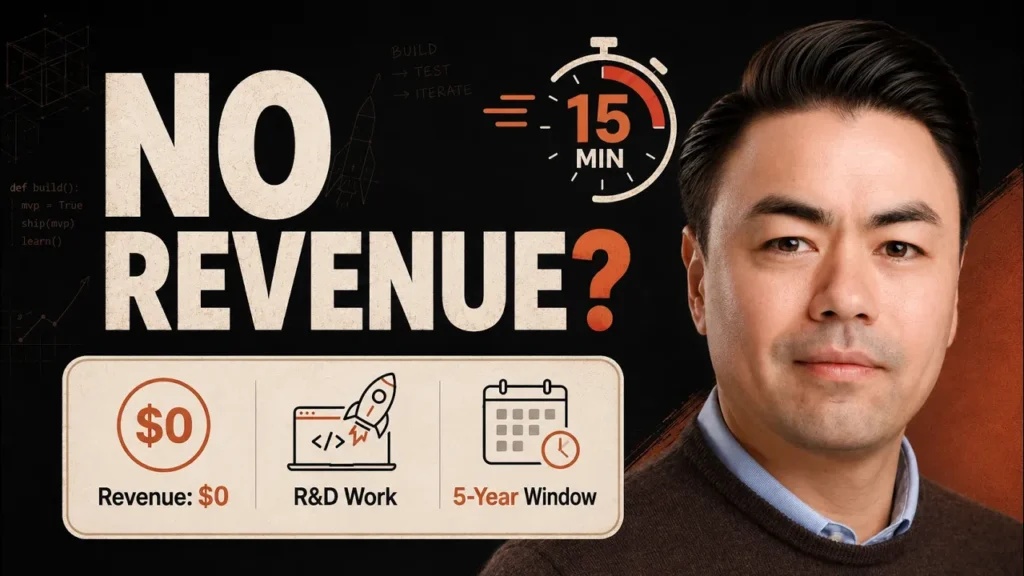
Yes.
Payroll tax offsets can provide immediate value.
Are contractors eligible?
In many cases, yes.
Do DevOps activities qualify?
Frequently yes, particularly when technical uncertainty and experimentation exist.
Does AI development qualify?
Very often.
AI projects are frequently strong R&D candidates.

Solar Technology Company
Had never previously explored the R&D credit. After reviewing their development work the technical problem-solving behind their solar technology the credit was clearly there. The leadership team now has a predictable annual process in place. The credit no longer falls through the cracks.

Space Technology Startup
Previously using an automated provider for two years. When we reviewed their actual development work, we found qualifying activity that had been missed not from carelessness, but because a standardized process couldn't account for the specific engineering their team was doing. Capital from the corrected study was used to extend runway and support additional hires.

Vinit Gupta

Henry Huie

Brendan Conaway
What Our Clients Say
Our Clients